Access to justice remains a cornerstone to sustainable development. UN 2030 Global Agenda under Sustainable Development Goal 16 prioritizes access to justice for all as a requirement to sustainable Development. Access to justice for all is a vehicle for achieving leaving no one behind.
The National Development Plan (NDP) III makes critical commitments to multiply its efforts to transform the justice and law enforcement system into one that respects, promotes, protects, and fulfills the fundamental rights stipulated in the Constitution and the realization of the National Vision 2040.
Transport infrastructure is a cornerstone to social economic development and realization of social economic rights and access to social and economic justice.
Motorcycle transport/Boda-Boda has been very instrumental in contributing to realization of social economic rights and access to justice.
Many communities are using Boda-Boda to transport vulnerable persons to health centres, to Justice Service Delivery Centres, to markets, to burials as well as transport students, pupils and teachers to school.
Boda-Boda means of transport has become one of the biggest employers of the youth in Uganda. The Boda-Boda transport business has impacted on employment opportunities and the financial independence of youths. The role of the Boda-Boda transport industry in solving the problem of unemployment among the youths in Uganda cannot be underrated.
While the government of the republic of Uganda has provided a conducive environment for operations of private sector including liberalization of spaces for everybody to do business freely including allowing many people to invest in motorcycle business, there are still impediments that continue to rage that lit the enjoyment of social economic rights and access to justice.
Some of the issues include inadequate regulation of Boda-Boda operations, lack of driving permits/licenses where most of the riders lack licenses or cannot afford to have one, lack of training which leads to reckless riding and enormous accidents, extortion by police, lack of insurance etc. There are also cases of misrepresentation among the categorization of Boda-Boda business. It is very difficult to know who are the Boda-Boda riders for public transport and those motorcycles for private business.
There are issues that pertain to the security and safety of motorcycles. There have been various cases of theft of motorcycles in public places while others have been robbed from riders’ directors in which others have been left murdered by the robbers.
The issue of taxation of the business also continues to be another contention in addition to the unclarity around Third party insurance.
Many Boda-Boda Riders have also accused Police of neglecting their safety and security as well as unfair treatment in enforcement of their mandate such as violent arrests which at times has led to accidents, loss of property or even caused damage to passengers.
The Local governments have also been accused of mistreatment in terms of disproportionate operational licenses fees yet they do not prioritize their business such as putting up sheds for them.
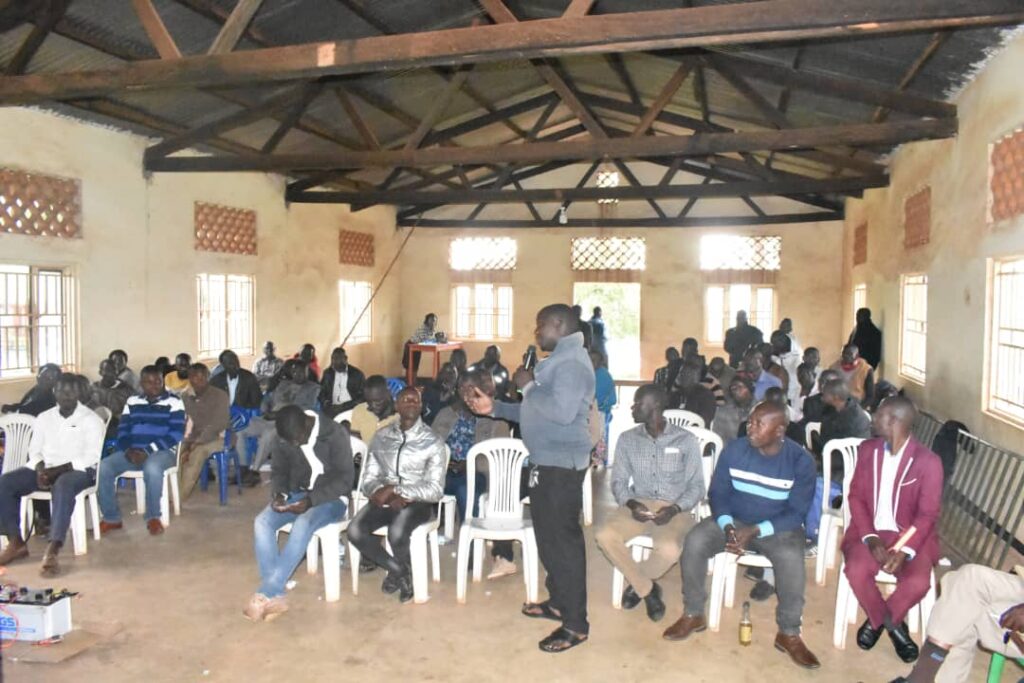
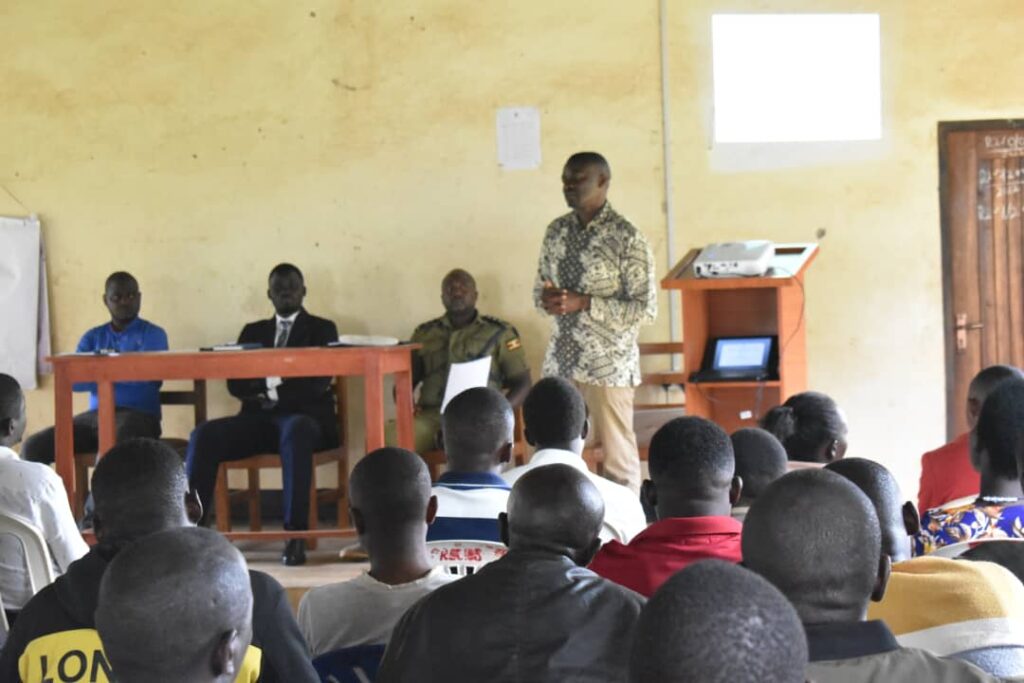
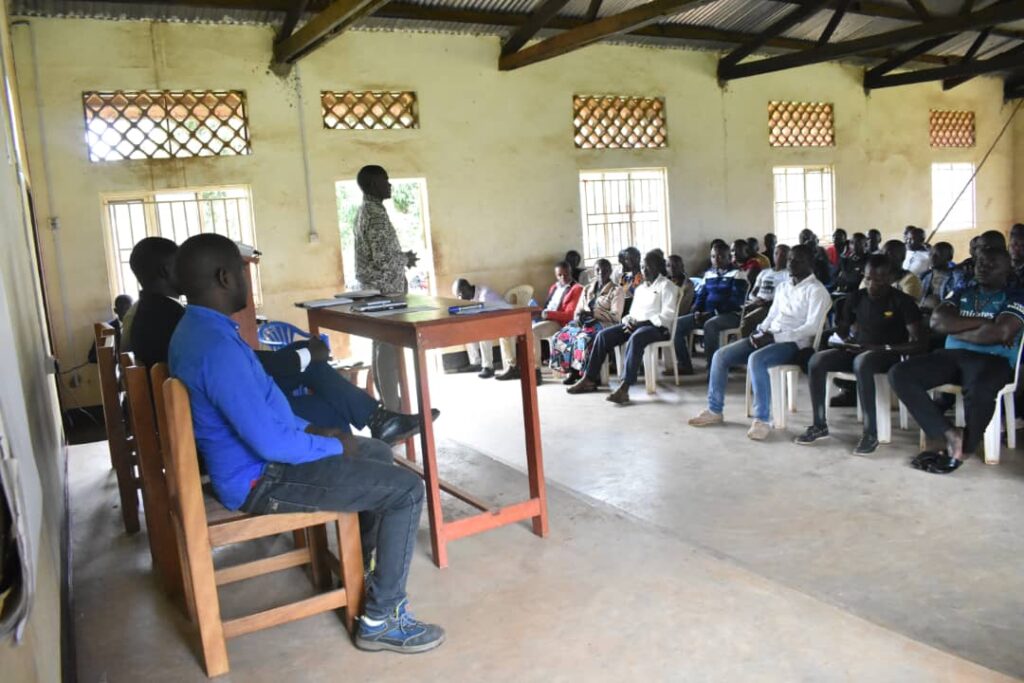
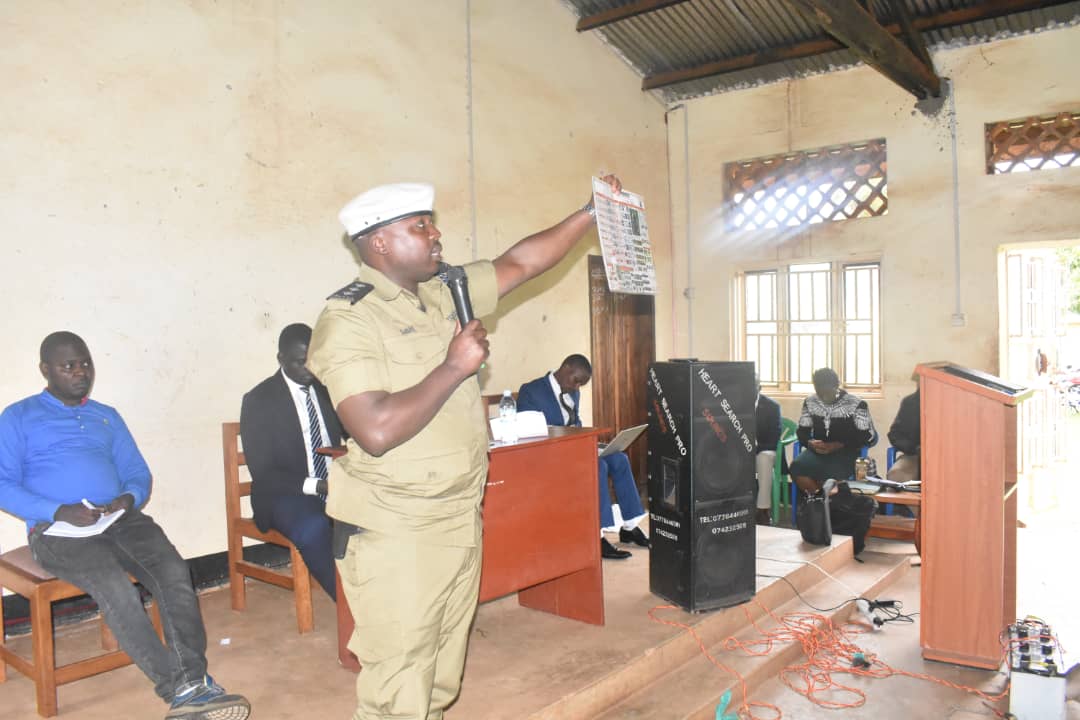
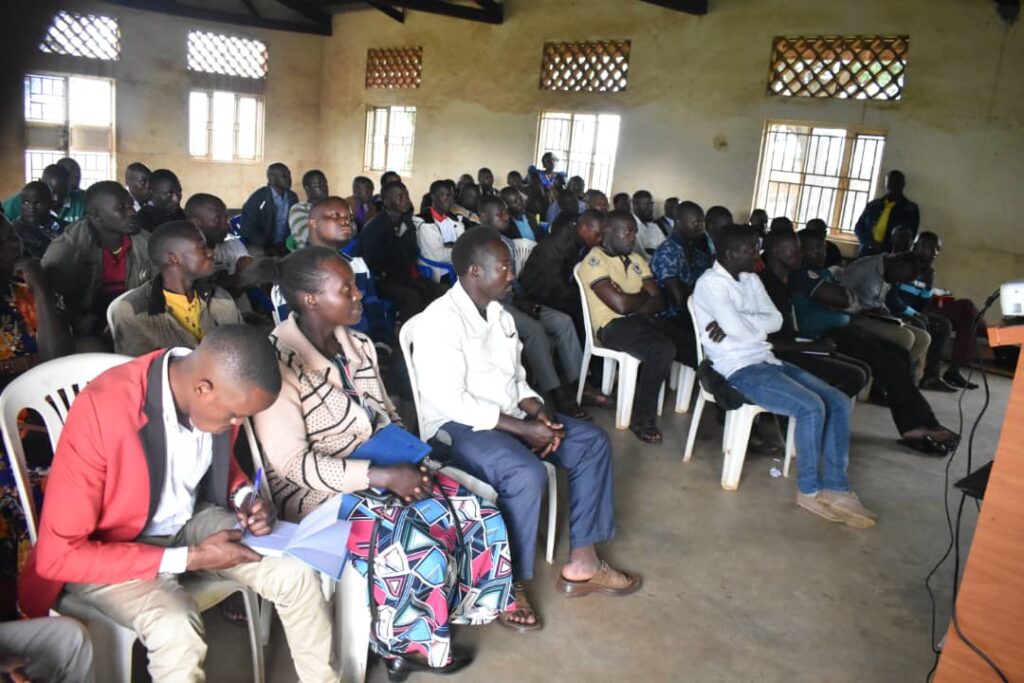
It is against the above context that World Voices Uganda, a non-Governmental not for profit organization organized a stakeholders’ Dialogue to discuss this wide array of issues that have been one of the factors leading to violations of the rights and access to justice for all.
The dialogue brought together 60 strategic stakeholders including the leaders of the Boda-Boda community, business community leaders, women representatives, Security, Chairperson LC3 and other officials from the transport sector.
The purpose of the dialogue was to discuss issues affecting the rights and access to justice around Boda-Boda Transport Business/Sector and find ways of enhancing access to justice for victims of abuse within the Boda-Boda Business /Sector