The Office of the Prime Minister has established 11 District Emergence Coordination and Operation centers across the country to provide immediate and rapid disaster response and mitigation.
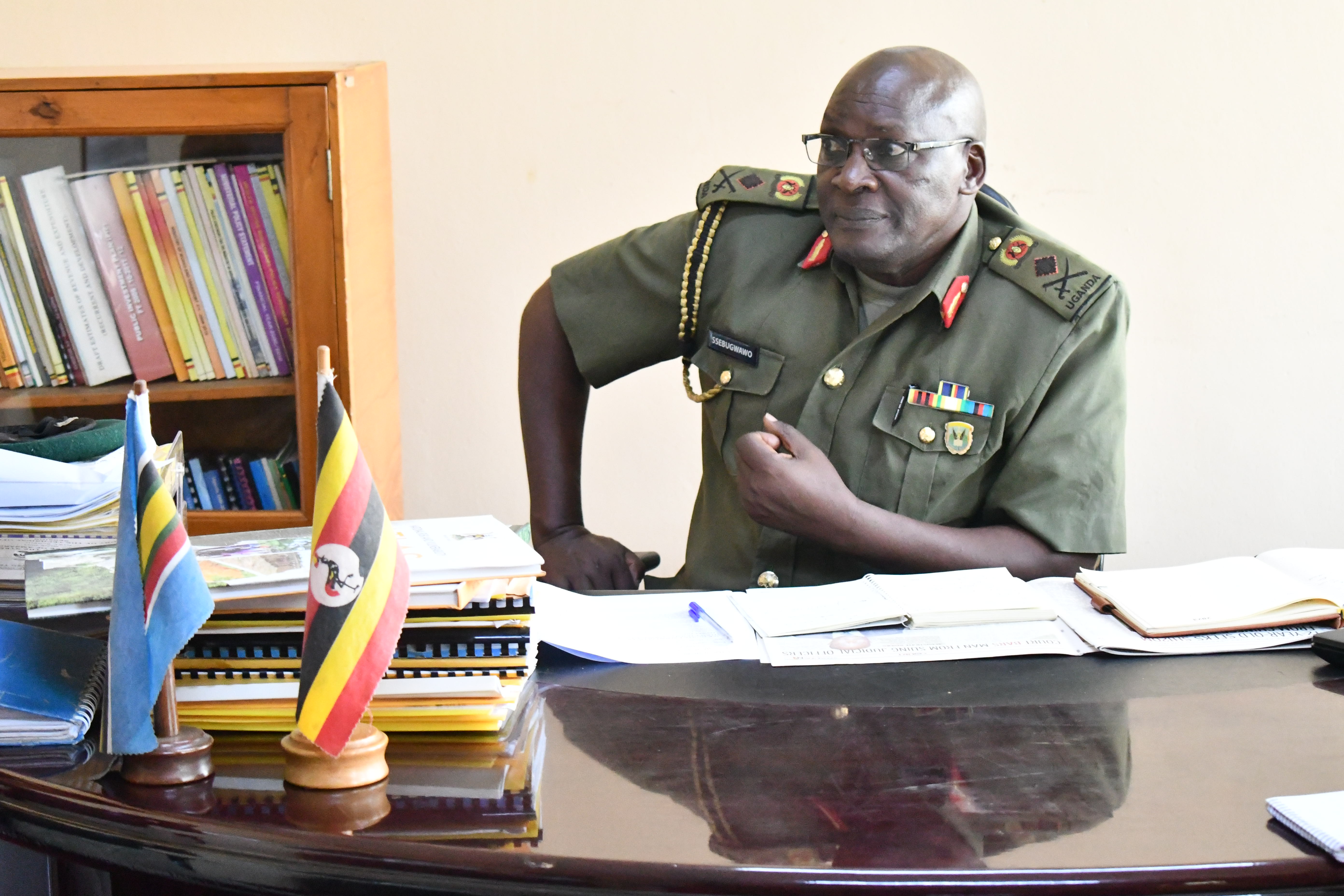
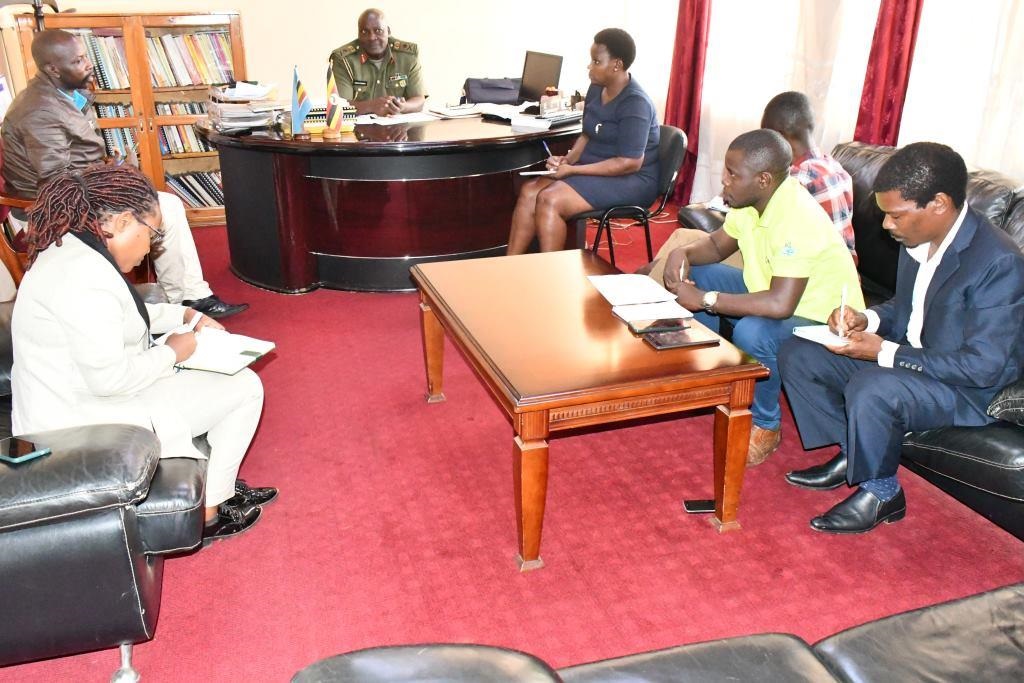
This was revealed by Brig. Gen. Eugene Ssebugwawo Ssenkumba the Coordinator for National Emergency Coordination and Operation Centre at Old Offices of the Prime Minister in Kampala while meeting the members from the consortium of Western Uganda Humanitarian Platform over localized relief and response mechanisms to disaster hit Refugee and host Communities in Kikuube and Kyegegwa.
The consortium that encompasses 46 Non-Governmental Organizations hosted by World Voices Uganda is among the local emergence relief providers in Uganda but also providing guidance on safety measures to child protection against Teenage pregnancy and child marriage.
According to the consortium, government agencies take time to respond to emergencies which sometimes results in loss of lives and property.
They want the government to establish visible and rapid disaster response mechanisms to address the disaster challenges faced in refugee and host communities.
Brendah T Namande, the programmes Director at Labor and Consumer Advocacy, LACA said Civil Society Organizations have been responding to emergencies but have been restrained by the bureaucracies under which the government goes through to back them.
Namande said if the government can establish a relative budget to cater for the unforeseen calamities, then vulnerabilities caused by disasters and calamities will be history.
She however applauded the government for providing a suitable civil society operation environment that has enabled them to offer services to Ugandans.
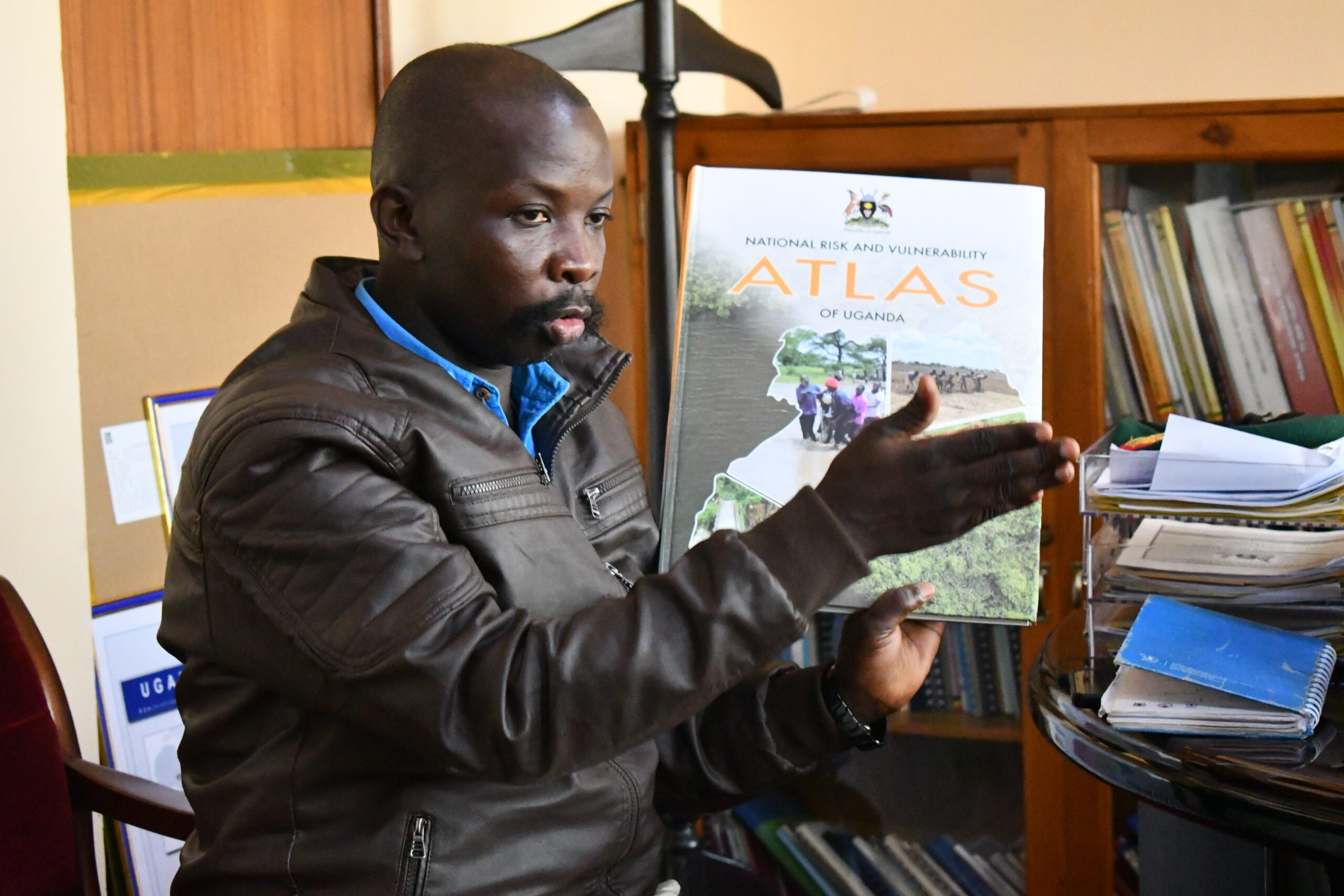
John Baptist Byaruhanga, the coordinator for Western Uganda Humanitarian Platform said in Kyaka II refugee settlement alone it was discovered that over 11,000 young girls were defiled and impregnated in a single year of 2022.
Referring to the Kyegegwa district Gender Officer, Byaruhanga said this number is very big and this puts the lives of young girls at risk of losing out on their education and balanced growth.
According to Byaruhanga, there is need for more local sensitization in refugee and host communities about the dangers of teenage pregnancy and child marriage.
He also said as civil society organizations, they need government back up in terms of resources to ensure that children are protected for their better future.
Brig. Gen. Eugene Ssebugwawo Ssenkumba, the coordinator for National Emergency Coordination and operation center (NECOC) said government has established District Disaster Management Committees which are responsible for the rapid assessment of the emergencies and their magnitude at district levels and immediately report to the Office of the Prime Minister for an immediate action.
Ssebugwawo however said the government responds to Natural disasters and also sometimes to Human induced emergencies.
Ssebugwawo also noted that the Office of the Prime Minister no longer stops at district level while delivering the relief items to disaster hit communities because of the delays at district levels.
“We used to take relief items to disaster hit districts and we would leave the items at district offices but now we have changed the strategy to an extent that we take the relief items to sub counties or communities that are hit by disasters. This is because the districts have been fronting several challenges like transport, fuel, allowances etc which would end up causing delays in delivery of relief,” Brig. Gen. Ssenkumba told the team from the Consortium of Western Uganda Humanitarian Platform on Monday at his offices in Kampala.
He said as a measure to handle and offer rapid response to emergencies, the government has established 11 District Emergence Coordination and Operations Centers in the country and they are working.
These centers are in the districts of Kasese, Kabaale, Nakasongola, Namayingo, Amuru, Adjumani, Moroto Bukedea, Kwen, Bududa and Butaleja.
He said these centers were given all sorts of equipment apart from vehicles to handle and communicate disasters.
Brig. Gen. Ssebugwawo warned the general public to remain vigilant as the country is set to receive unusual rainfall.